Price Disclaimer: All prices in this guide are approximate as of early 2026. Fares, admission fees, and accommodation rates change regularly—always confirm the latest prices on the official provider’s website before booking. Prices may have changed since publication.
Quick Summary
- Duration: 3–5 days minimum for main sites; 1 week ideal
- Best Time: March–April (cherry blossoms) or October–November (autumn foliage)
- Budget: ¥8,000–¥15,000 per day (USD 55–105)
- Getting There: 75–150 minutes from Tokyo or Osaka by train
- Must-See: Fushimi Inari Taisha, Arashiyama Bamboo Grove, Kinkaku-ji, Kiyomizu-dera
- Language: English signage moderate; translation app recommended
- Transport: IC card (ICOCA) essential; buses cheaper than taxis
Understanding Kyoto: Japan’s Ancient Capital
Kyoto served as Japan’s imperial capital for over 1,000 years before Tokyo claimed the title in 1868. Today, it remains the country’s cultural repository—home to 17 component sites of the “Historic Monuments of Ancient Kyoto” UNESCO World Heritage listing (spanning Kyoto City, Uji, and Otsu — including Enryaku-ji on Mt. Hiei in Otsu), more than 2,000 temples and shrines, and an estimated significant portion of Japan’s registered Important Cultural Properties. For first-time visitors, Kyoto offers tangible connection to traditional Japan in ways modern Tokyo cannot replicate.
Unlike Tokyo’s vertical sprawl, Kyoto is navigable. The city grid runs north-south and east-west, making orientation straightforward once you understand the main neighborhoods. Districts like Gion retain authentic geisha-era atmosphere. Temple gardens like Ryoan-ji showcase Zen philosophy through carefully curated landscapes. The city feels like stepping backward in time, yet smartphones, convenience stores, and modern restaurants ensure comfort.
First-time visitors often spend 4–5 days exploring major temples, walking through bamboo forests, dining in restaurants, and participating in tea ceremonies. Unlike Japan’s rushing salaryman culture, Kyoto encourages slowness.
🎫 Quick Recommendation
We recommend booking a highlights tour on your first day — it helps you get oriented and covers the major spots efficiently.
Top Highlights & Must-See Sites
Fushimi Inari Taisha: The Endless Torii Gates
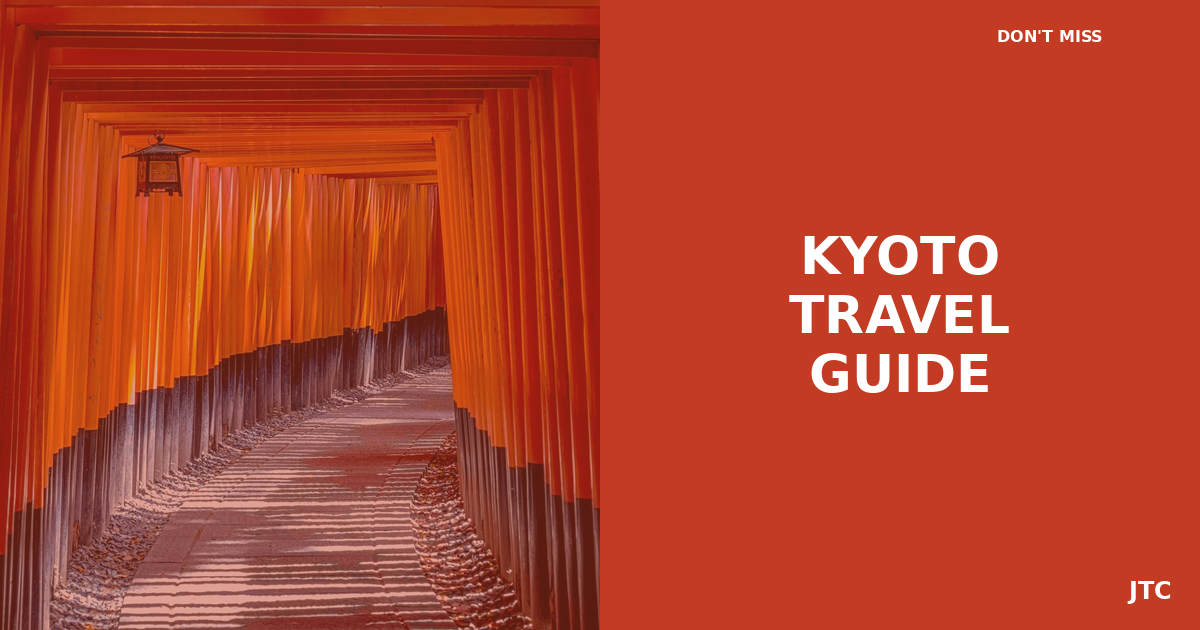
Fushimi Inari, located on the outskirts of Kyoto in the Fushimi Ward, is one of Japan’s most-visited shrines. Famous for its tunnel-like passageway of thousands of vermillion torii gates stacked densely along mountain trails, it’s both iconic and overwhelming. The main shrine sits at the base; most crowds disperse within 15 minutes of climbing, leaving quieter trails above.
Admission: Free | Time Required: 1–3 hours | Getting There: JR Nara Line to Inari Station (15 minutes from Kyoto Station)
Arrive before 8 a.m. or after 4 p.m. to avoid tourist bottlenecks. Wear comfortable shoes; the full hike is steep and rocky. The upper trails offer panoramic city views often missed by crowds at the gates.
Arashiyama Bamboo Grove & Okochi Villa
The bamboo grove in the Arashiyama district, northwest of Kyoto’s city center, is tranquil if visited strategically. Early morning (7–8 a.m.) walks reward visitors with soft light filtering through 60-foot bamboo stalks and minimal crowds. By 9 a.m., bus tours arrive; by noon, it’s impassable.
Admission: Free | Time Required: 30 minutes to 1 hour | Getting There: Randen Trolley to Arashiyama Station
Combine with Okochi Villa (¥1,000 / USD 7) for authentic tea ceremony and garden views. Skip the crowded main pathway; instead, walk north through quieter streets toward Gioji Temple and Adashino Nembutsu-ji.
Kinkaku-ji: The Golden Pavilion
This three-story temple covered in gold leaf is reflected beautifully in its surrounding mirror pond. Originally built in 1397 as a retirement villa, it burned in 1950 and was rebuilt in 1955. Despite being Kyoto’s most photographed site, it justifies the hype—especially in early morning light.
Admission: ¥500 (USD 3.25) | Time Required: 45 minutes | Getting There: Bus #101 or #59 from central Kyoto (30 minutes)
Gion: The Preserved Geisha District
Gion Kobu, one of Kyoto’s most prominent geisha districts, preserves wooden machiya townhouses dating to the Edo period. Walking Hanami-koji Street at dusk, you’ll see geisha in kimono heading to appointments—authentic cultural observation, not staged tourism.
Admission: Free (street walking) | Geisha Performance: ¥3,000–¥8,000 (USD 20–55) via traditional theaters like Gion Corner | Getting There: Keihan Line to Gojo Station or central buses
Since April 2024, the private alleys in Gion (Kyoto’s historic geisha district) have been off-limits to tourists. Unauthorized photography of geisha or maiko can result in a ¥10,000 (~USD 65) fine. Stick to the main public street (Hanami-koji), never photograph geisha without explicit permission, and avoid following them. Signs in Japanese, English, and Chinese mark the restricted areas. For authentic experience, book dinner at a traditional kaiseki restaurant where geisha entertain while you eat. This costs ¥15,000–¥25,000 (USD 105–170) but immersive in ways standard tours aren’t.
Kiyomizu-dera: Hilltop Temple with City Views
Built in 778 atop a hill in Higashiyama Ward, Kiyomizu-dera offers sweeping Kyoto vistas and a famous “clear water” spring believed to grant wishes. The main hall, rebuilt in 1633, projects dramatically over the hillside without using a single nail—purely wooden joinery.
Admission: ¥500 (USD 3.25) | Time Required: 1.5 hours | Getting There: Bus #100 or #206 to Gojo-zaka stop (20 minutes from Kyoto Station)
Ryoan-ji Temple: Zen Garden Simplicity
This temple houses Japan’s most famous karesansui (dry landscape garden)—15 stones arranged on white gravel in a 30-by-10-meter rectangle. No water, no plants; just composition and emptiness. Sit on the wooden veranda and interpret the stones.
Admission: ¥600 (USD 3.75) | Time Required: 1 hour | Getting There: Bus #59 from Kyoto Station (45 minutes)
Philosopher’s Path: Scenic Canal Walk
This 2-kilometer pedestrian path runs alongside a canal through Kyoto’s northeast hills, lined with cherry trees (March–April) and maples (November). Small temples, art galleries, and cafés dot the route. It’s less famous than Arashiyama but infinitely more peaceful.
Admission: Free | Time Required: 1.5–2 hours with stops | Getting There: Eiden Kurama Line to Ginkaku-ji-michi Station
Combine with visits to Ginkaku-ji (Silver Pavilion, ¥500) and Nanzen-ji Temple (¥500 for inner gardens) at the southern end.
For a deeper, story-driven experience with a licensed Kyoto local:
Explore private Kyoto tours with a local guide →
Pricing & Cost Breakdown
| Category | Daily Budget (¥) | USD Equivalent |
|---|---|---|
| Budget Hotel (Double Room) | ¥6,000–¥9,000 | $40–$60 |
| Mid-Range Hotel | ¥12,000–¥18,000 | $80–$120 |
| Temple Admissions (average) | ¥400–¥600 | $2.75–$4 |
| Lunch (casual) | ¥1,000–¥2,000 | $7–$13 |
| Dinner (mid-range) | ¥3,000–¥6,000 | $20–$40 |
| Local Transport (IC Card, daily) | ¥1,500–¥2,500 | $10–$17 |
| Daily Total (Budget) | ¥11,900–¥15,000 | $80–$100 |
Money-Saving Tips: Purchase a Subway & Bus 1-Day Pass (¥1,100 / USD ~7) if combining 3+ subway and bus trips. Note: The Kyoto City Bus 1-Day Pass (¥700) was discontinued on March 31, 2024 as part of Kyoto’s overtourism countermeasures. Temple combination tickets save ¥100–200. Eat lunch (teishoku sets at ¥900–1,200) rather than dinner as your main meal.
New for 2026: Kyoto Accommodation Tax Revised. As of March 1, 2026, Kyoto significantly revised its accommodation tax with a new 5-tier structure (per person, per night): rooms under ¥6,000 pay ¥200; ¥6,000–¥20,000 pay ¥400; ¥20,000–¥50,000 pay ¥1,000; ¥50,000–¥100,000 pay ¥4,000; and ¥100,000+ pay ¥10,000. Luxury stays are now taxed up to 10x the previous rate. Budget your trip accordingly — taxes are collected at check-in and are separate from the room rate displayed on booking sites.
Pros and Cons
Pros
- Authentic Atmosphere: More preserved traditional architecture than any other major Japanese city
- Walkable: Grid layout and compact neighborhoods eliminate navigation confusion
- Affordable: Lower accommodation costs than Tokyo or Osaka; temple admissions negligible
- Diverse Experiences: Temples, gardens, culinary scenes, traditional crafts, hiking all within city limits
- Day Trip Access: Nara (45 min), Osaka (75 min), Kobe (90 min)—excellent base for Kansai region
Cons
- Crowding: Peak seasons (March–April, October–November) draw millions of annual visitors
- Weather: Summer is brutally hot and humid (30–35°C); winter can be surprisingly cold
- Limited Nightlife: Compared to Tokyo or Osaka, evening entertainment is subdued
- Shrine Fatigue: Temple visitation can become overwhelming; visitors report “temple burnout” by day 3
Best For / Not For
Kyoto Is Perfect If You’re:
- First-time visitor seeking “traditional Japan”
- Interested in Buddhist and Shinto spirituality
- Food-focused traveler wanting kaiseki, tofu specialties, and tea ceremony
- Photography enthusiast
- Seeking slower pace and cultural immersion over nightlife
Kyoto Isn’t Ideal If You’re:
- Seeking cutting-edge modern Japan (go to Tokyo instead)
- Wanting active nightlife and club scene
- Traveling with young children (temples require quiet appreciation)
- Uncomfortable with crowds during peak seasons
How to Visit: Practical Logistics
Getting to Kyoto
From Tokyo: Tokaido Shinkansen reaches Kyoto in approximately 2 hours 15 minutes from Tokyo Station. Reserved seating approximately ¥13,850 (Hikari) to ¥14,370 (Nozomi) one-way, depending on train type and season (USD 90–95). Peak season (Golden Week, Obon, year-end) can be higher.
From Osaka: JR Kyoto Line (approximately 30 minutes) or Hankyu Railway (approximately 40 minutes) both cost approximately ¥900–1,100 (USD 6–7.50). Osaka’s Kansai International Airport is Japan’s primary gateway.
Getting Around Kyoto
ICOCA Card: Prepaid IC card valid on all Kyoto buses and trains. Physical IC cards were briefly in short supply during 2023–2024 due to a global semiconductor shortage, but normal sales resumed in March 2025. Mobile Suica/ICOCA via Apple Wallet works for iPhone users; note that Google Wallet does not support Suica/ICOCA for visitor use. Physical ICOCA cards are widely available at Kansai International Airport and major JR West stations; at Kyoto Station, they cost ¥500 deposit + your chosen charge amount.
Buses: More useful than trains for temple hopping. Routes #100 and #101 cover main sites. Single ride approximately ¥230. For multi-trip days, see the Subway & Bus 1-Day Pass mentioned in Money-Saving Tips above.
Cycling: Kyoto’s flat terrain suits bicycle rental (approximately ¥1,000–1,500 per day). Bicycle parking at temples is free.
When to Visit
Best Times: Late March–April (cherry blossoms) and October–November (autumn foliage) are peak but crowded.
Shoulder Seasons: May–June (rainy but uncrowded) and September (fewer tourists, good discounts).
Avoid: August (sweltering heat) and New Year week (overcrowded).
Common Mistakes to Avoid
- Arriving Without JR Pass Decision: If visiting multiple cities, purchase JR Pass before arriving. If only Kyoto-Osaka-Nara, skip it.
- Booking Hotels Far from Center: Staying in outer wards saves money but costs in transportation and exhaustion.
- Skipping Reservations for Acclaimed Restaurants: Michelin-starred kaiseki books weeks ahead.
- Temple Overdose Without Variety: Visiting 5+ temples in one day causes burnout. Mix with garden walks, shopping, and cafés.
- Ignoring Convenience Stores: 7-Eleven, Lawson, and Family Mart sell excellent meals at fair prices.
Frequently Asked Questions
How many days should I spend in Kyoto?
Minimum 3 days covers major temples. 4–5 days allows deeper exploration and day trips to Nara or Osaka. A week suits food-focused or photography-intensive visits.
Is English spoken widely in Kyoto?
Yes, relative to rural Japan. Major temples, hotels, and tourist areas have English signage. Smaller restaurants may lack English menus; translation apps work well.
Can I visit temples year-round?
Most temples are open daily 8 a.m.–5 p.m. year-round, though some close Mondays. Winter hours close as early as 4 p.m.
Is Kyoto safe for solo travelers?
Extremely safe. Kyoto is one of Japan’s safest cities; crime against tourists is rare. Solo travelers report excellent experiences.
What’s the single best temple to visit if time is limited?
Kinkaku-ji (Golden Pavilion) is most iconic but crowded. Ryoan-ji offers deeper cultural experience with fewer tourists. For comprehensive experience: Kiyomizu-dera (views, history, nearby shopping).
Final Recommendation
Ready to experience Kyoto Start your temple journey with accommodation at the heart of the action—browse verified hotels, guest reviews, and instant booking options.
Related Articles
- Best Hotels in Kyoto for Tourists
- Best Tours in Kyoto
- Nara Travel Guide
- Japan Travel Guide Hub — The complete planning hub — every guide, every city, every step of the trip.
Still have questions about your Japan trip?
Ask Japan Travel Concierge AI — instant answers on transportation, food, customs, and what to do when something goes wrong.

Comments