Note: Prices and availability change frequently. The prices shown in this article are examples as of April 2026. Always verify the latest prices and details on the official provider’s website before booking.
Quick Summary
Everything you need to know about best tours in osaka for your Japan trip. Read the quick highlights below or scroll for the full guide.
- Introduction
- Osaka Tour Categories at a Glance
- Best Osaka Tours by Category
- Pricing Overview
- Pros and Cons of Guided Tours in Osaka
- Who Should Book Tours in Osaka?
- How to Book Osaka Tours
- Common Mistakes When Booking Osaka Tours
- Frequently Asked Questions
- How to Choose: Quick Decision Guide
- Conclusion
- Related Articles
Introduction
Who this guide is for: First-time visitors spending 1-3 days in Osaka who want to experience the city’s legendary food scene, historical landmarks, and vibrant nightlife without wasting time on underwhelming tourist traps.
Osaka earns its nickname “Japan’s Kitchen” for good reason — the city treats eating as a serious pursuit rather than a necessity. While Tokyo and Kyoto draw visitors with temples and tradition, Osaka pulls them in with takoyaki stands, kushikatsu counters, and a street food culture that operates from morning through 2:00 AM.
But Osaka delivers more than food. The city has Japan’s most visited castle, a thriving comedy and entertainment scene, and serves as a convenient base for day trips to Kobe, Himeji, and Nara. A guided tour or two fills in the gaps that self-exploration misses — particularly for food tours where a local guide knows which stall in Shinsekai has the freshest kushikatsu today.
This guide covers Osaka’s top tours by category with specific prices, meeting points, and platform comparisons across Klook, GetYourGuide, and Viator.
Best for most travelers: Klook for Osaka tours
Best prices on USJ tickets, Osaka Amazing Pass bundles, and food tour combos with instant mobile vouchers.
Osaka Tour Categories at a Glance
Osaka tours divide into seven categories: street food and market tours, historical and cultural walks, nightlife tours, cooking classes, theme parks and entertainment, day trips, and cycling or river cruises. Budget approximately ¥3,000-18,000 per person depending on the category, with food tours and day trips at the higher end.
🎫 Quick Recommendation
Want to make the most of your time A guided tour covers more ground and gives you insider tips you won’t find online.
Best Osaka Tours by Category
Street Food & Market Tours
Dotonbori street food tours (approximately ¥8,000-14,000) cover 8-12 tasting stops over 2.5-3 hours along the neon-lit canal and surrounding backstreets. Expect takoyaki at Wanaka (the crispy-outside, creamy-inside style), okonomiyaki at Mizuno (operating since 1945), and gyoza at Chao Chao near Hozenji Yokocho alley. Most tours meet at Namba Station Exit 14.
Kuromon Market tours (approximately ¥6,000-12,000) explore “Osaka’s Kitchen” — a 600-meter covered arcade with 170+ stalls. Guides navigate you past the tourist-priced seafood stands to local favorites for fugu (pufferfish) sashimi, wagyu skewers, and seasonal fruit. The market opens at 9:00 AM but fills with tourists by 10:30 — early tours get the freshest selection.
Shinsekai food walks (approximately ¥5,000-10,000) explore the retro district around Tsutenkaku Tower. This area specializes in kushikatsu (deep-fried skewers) — a guided walk explains the unwritten rules, including the absolute prohibition on double-dipping in the communal sauce. Meeting point is typically at JR Shin-Imamiya Station or Metro Dobutsuen-mae Station Exit 1. For more booking platform options, check our guide to Japan’s best activities booking sites.
Historical & Cultural Tours
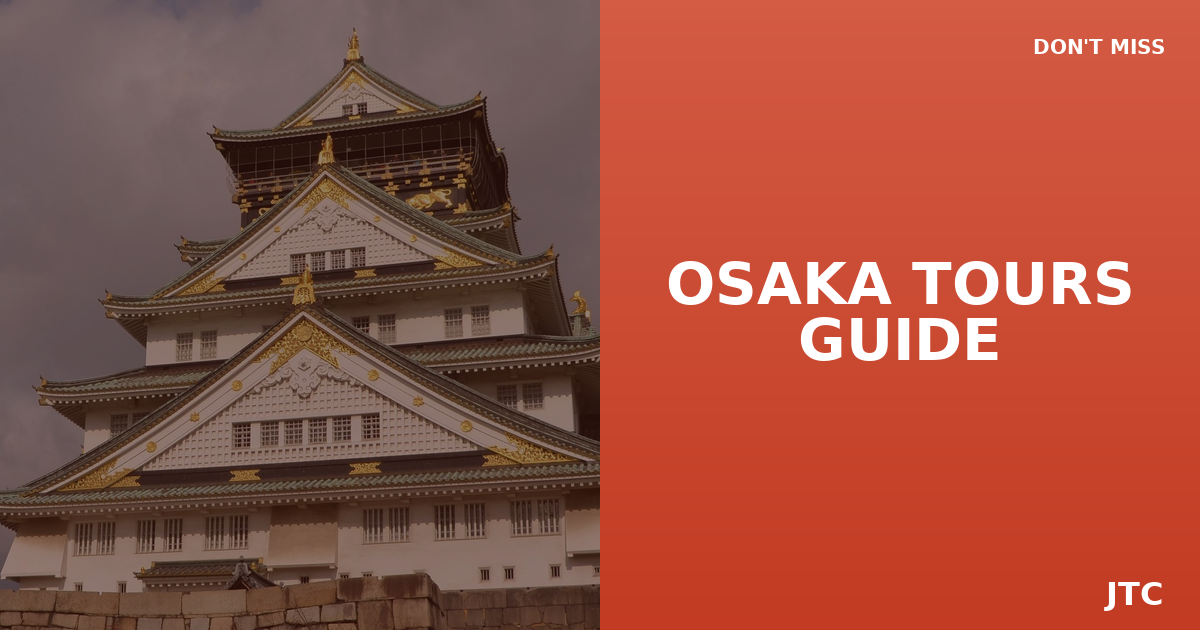
Osaka Castle walking tours (approximately ¥4,000-8,000 excluding ¥600 castle admission) cover the outer grounds, moat, and inner keep over 2-3 hours. The castle sits in a 106-hectare park — a guide explains the strategic significance of each gate and the 1615 siege that ended the Toyotomi clan. Tours meeting at JR Osakajokoen Station or Metro Tanimachi 4-chome Station usually include Nishinomaru Garden.
Tennoji and Shitennoji Temple area tours (approximately ¥3,000-6,000) visit Japan’s oldest Buddhist temple (founded 593 AD) and the surrounding Tennoji Park. This district sees fewer tourists than Dotonbori, giving a more authentic view of everyday Osaka. The area connects to Shinsekai, making a combined walking route practical.
Nightlife Tours
Namba bar hopping tours (approximately ¥8,000-15,000 including 3-4 drinks) explore the backstreet izakayas and standing bars tucked behind Dotonbori’s main drag. Guides handle ordering at counter-only spots that have Japanese-only menus — a significant advantage for non-Japanese speakers.
Shinsekai night tours (approximately ¥6,000-12,000) mix food and drinks in the district that comes alive after dark. The retro neon signs and pachinko parlors create a completely different atmosphere from daytime visits. Some tours include a stop at Spa World (the massive onsen theme park) if time permits.
Cooking Classes
Takoyaki-making classes (approximately ¥5,000-8,000 for 1.5-2 hours) teach you to pour the batter, flip the balls with a pick, and achieve the correct ratio of crispy exterior to soft center. Most classes in Namba or Shinsaibashi include eating what you make plus a second dish — often okonomiyaki.
Osaka-style okonomiyaki workshops (approximately ¥6,000-12,000) go deeper into technique. Unlike Hiroshima-style layered okonomiyaki, Osaka mixes everything together. Classes cover the proper griddle temperature, cabbage shredding size, and toppings from mayo art to katsuobushi (bonito flakes). Sushi-making classes also operate in Osaka for approximately ¥8,000-15,000 with 8-12 nigiri pieces included.
Theme Parks & Entertainment
Universal Studios Japan tickets (approximately ¥8,600-9,800 for 1-day Studio Pass, as of April 2026) sell through Klook and other platforms, sometimes bundled with Express Pass options (approximately ¥6,800-14,800 extra) that cut wait times for Nintendo World and Harry Potter rides from 90 minutes to 15. Note: USJ ticket prices, Express Pass availability, and attraction lineup change frequently — always confirm the latest information on USJ’s official website before purchasing.
Osaka Aquarium Kaiyukan tickets (approximately ¥2,700 for adults) are available through booking platforms, occasionally with small discounts. The aquarium’s whale shark tank is the centerpiece — arrive at opening (10:00 AM) on weekdays or after 4:00 PM to avoid the heaviest crowds.
Day Trips from Osaka
Himeji Castle day trips (approximately ¥5,000-12,000, 1 hour by Shinkansen from Shin-Osaka Station) visit Japan’s finest surviving original castle — a UNESCO World Heritage Site that avoided both war damage and fire. The castle admission is ¥1,050 and the adjacent Kokoen Garden adds ¥310. A guided tour explains the defensive architecture, including the intentionally confusing maze-like approach designed to slow invaders.
Kobe half-day tours (approximately ¥4,000-10,000, 30 minutes by JR from Osaka Station) cover Kitano Ijinkan (the former Western settlement district), Kobe Harborland waterfront, and often include a Kobe beef lunch (budget ¥3,000-8,000 separately for a quality steak). Sake brewery tours in Nada district combine with Kobe visits for a full-day experience.
Nara day trips from Osaka (approximately ¥4,000-10,000, 45 minutes by Kintetsu from Namba Station) follow the same Todai-ji and deer park route as Kyoto-departing tours but with a shorter commute. Some operators offer combined Nara + Fushimi Inari tours (approximately ¥10,000-16,000) as a full day covering both sites.
Kyoto day trips from Osaka (30-50 minutes by JR or Hankyu line) are also a popular option — many visitors base themselves in Osaka for its lower hotel prices and visit Kyoto on day trips. For detailed tour recommendations, see our Best Tours in Kyoto guide.
River Cruises & Cycling Tours
Osaka water bus cruises (approximately ¥1,500-3,000 for the Aqua-Liner, 55-minute circuit) navigate the Okawa River through the business district with views of Osaka Castle from the water. Evening Tombori River cruises (approximately ¥1,000, 20 minutes) glide under Dotonbori’s neon signs — a budget-friendly way to see the canal from a different angle.
Cycling tours along Osaka’s flat riverside paths (approximately ¥5,000-9,000 for 3-4 hours) cover neighborhoods that walking tours miss — Nakazakicho’s café district, the retro Taisho area with its Okinawan community, and riverside parks. Self-rental bikes cost approximately ¥500-1,000/day at numerous docking stations throughout the city.
Pricing Overview
Reference prices as of April 2026. Actual prices vary by operator, season, and group size. USD conversions are approximate (based on ¥160/USD) and fluctuate with exchange rates. Always confirm on the booking platform before purchasing.
| Tour Category | Price Range (JPY) | Price Range (USD approx) | Duration |
|---|---|---|---|
| Street Food Tours | ¥5,000 – ¥14,000 | $34 – $95 | 2-3.5 hours |
| Historical / Cultural | ¥3,000 – ¥8,000 | $20 – $55 | 2-3 hours |
| Nightlife Tours | ¥6,000 – ¥15,000 | $40 – $100 | 2.5-3.5 hours |
| Cooking Classes | ¥5,000 – ¥15,000 | $34 – $100 | 1.5-3 hours |
| Theme Parks (tickets) | ¥2,700 – ¥24,600 | $18 – $164 | Half-full day |
| Day Trips | ¥4,000 – ¥16,000 | $27 – $107 | 4-10 hours |
| River Cruises / Cycling | ¥500 – ¥9,000 | $3 – $60 | 0.5-4 hours |
Prices vary by operator, season, group size, and promotional availability. Always confirm the final price on the booking platform before purchasing. Exchange rates are approximate and fluctuate daily.
Pros and Cons of Guided Tours in Osaka
Pros:
- Food tours navigate past tourist-trap stalls to genuine local favorites — particularly valuable in Dotonbori where overpriced options sit next to hidden gems
- Kushikatsu and takoyaki etiquette is hard to learn from a guidebook (guides explain unwritten rules on the spot)
- Nightlife tours handle Japanese-only menus and ordering customs at counter-seating izakayas
- Day trip logistics to Himeji and Kobe are simpler with a guide managing train transfers and timing
- USJ Express Pass availability and combo deals through platforms like Klook save both money and queue time
Cons:
- Osaka’s flat layout and efficient subway make independent exploration straightforward compared to hilly Kyoto
- Street food is already cheap (¥500-800 per item) — paying ¥12,000 for a guided tour that includes ¥3,000 worth of food carries a steep premium
- Group food tours force everyone to eat at the same pace, which clashes with Osaka’s grab-and-go culture
- Osaka Castle’s interior museum has English signage — a guide adds context but isn’t essential
Who Should Book Tours in Osaka?
Best for:
- Food enthusiasts who want curated tasting routes — Osaka’s food scene is dense, and a guide distinguishes the outstanding from the mediocre
- First-time visitors spending only 1-2 days who need a focused itinerary
- Non-Japanese speakers planning nightlife — Osaka’s best bars and izakayas operate with minimal English
- Families visiting USJ — platform-booked tickets and Express Passes simplify a complex ticketing system
Not ideal for:
- Budget travelers — Osaka’s street food is already affordable, and many highlights (Dotonbori, Shinsekai, Osaka Castle grounds) are free to explore
- Repeat visitors who know the food scene
- Travelers who prefer eating at their own pace — food tours have fixed stops and timing
How to Book Osaka Tours
- Prioritize food tours: This is what Osaka does better than anywhere else in Japan. If you book only one guided experience, make it a food tour in Dotonbori or Shinsekai
- Compare platform prices: USJ tickets, Kaiyukan passes, and Osaka Amazing Pass bundles vary 5-15% between Klook, GetYourGuide, and direct purchase. A few minutes of comparison can save ¥1,000+
- Time your day trips: Himeji and Kobe are best on weekdays when trains are less crowded and castle queues shorter. Saturday tours to Nara face Kyoto-departing groups filling the same sites
- Book evening food tours 3-5 days ahead: Osaka’s nightlife tours fill faster than daytime activities. Weekend slots sell out early
- Download offline content: Osaka’s subway has Wi-Fi but it’s patchy between stations. Save your meeting point and voucher QR code to your phone. An eSIM for Japan keeps you connected above ground
Common Mistakes When Booking Osaka Tours
1. Eating Before a Food Tour
Osaka food tours include 8-12 tasting stops. Arrive hungry — skipping breakfast before a morning Kuromon Market tour or eating a light lunch before an evening Dotonbori tour makes a significant difference in enjoyment.
2. Underestimating Dotonbori’s Size
The iconic Glico Running Man sign marks one small section. The full Dotonbori entertainment district stretches across several blocks in every direction, with distinct food streets on parallel alleys. A guided walk covers far more ground than following the main canal strip.
3. Buying USJ Express Pass Too Late
Express Passes for Nintendo World and Harry Potter sell out days in advance during school holidays (late March, late July-August, late December). Buy these when you confirm your travel dates, not the day before. Standard Studio Passes alone mean 60-120 minute waits for popular rides.
4. Scheduling Osaka Castle for Afternoon
The castle grounds are at their quietest 9:00-10:00 AM. Afternoon visitors face tour bus groups and longer queues for the elevator to the observation floor. Morning self-visits or early guided tours offer a calmer experience.
5. Not Carrying Cash in Shinsekai
Shinsekai’s small kushikatsu shops, game arcades, and street food stalls heavily favor cash. IC cards (Suica/ICOCA) work on trains but many food stalls require coins and bills. Carry at least ¥5,000 for a Shinsekai visit.
Frequently Asked Questions
Is Osaka worth visiting if I’m already going to Tokyo and Kyoto?
Osaka offers a fundamentally different experience — it’s louder, more casual, and food-obsessed in a way that Tokyo and Kyoto aren’t. The street food culture, comedy tradition, and direct communication style set it apart. If you enjoy eating adventurously and prefer a relaxed atmosphere over temple-hopping, Osaka deserves 2-3 days on your itinerary.
How many days do I need in Osaka?
Two full days cover the essentials: Day 1 for Dotonbori, Shinsekai, and Osaka Castle; Day 2 for a day trip to Himeji or Kobe. Three days adds Kuromon Market, a cooking class, and USJ if that interests you. One day is too rushed for a food-focused visit.
What’s the difference between Dotonbori and Shinsekai food tours?
Dotonbori offers a wider variety including takoyaki, okonomiyaki, sushi, and ramen in a flashy, tourist-friendly setting. Shinsekai focuses on kushikatsu (deep-fried skewers) and retro working-class dishes in a grittier, more local atmosphere. Dotonbori tours suit first-time visitors; Shinsekai tours appeal to travelers who’ve already seen the main sights.
Should I buy the Osaka Amazing Pass?
The 1-day Osaka Amazing Pass (approximately ¥2,800) includes unlimited subway/bus rides and free admission to 40+ attractions including Osaka Castle, Tempozan Ferris Wheel, and Tombori River cruise. If you plan to visit 3+ included attractions in one day, it pays for itself. The 2-day version (approximately ¥3,600) excludes private railways but adds more time.
Is Osaka safe at night for tourists?
Osaka is one of the safest major cities in the world, including at night. Dotonbori, Namba, and Shinsaibashi remain busy and well-lit until 2:00-3:00 AM. Shinsekai is safe but has a rougher appearance that surprises some visitors — the grittiness is cosmetic, not dangerous. Standard precautions apply: stay aware of your surroundings and avoid drinking excessively on nightlife tours.
How to Choose: Quick Decision Guide
- 1 day in Osaka? → Book a Dotonbori evening food tour. Spend the daytime at Osaka Castle and Shinsekai independently.
- 2 days? → Add a Himeji Castle or Kobe day trip. Or add a morning Kuromon Market food walk + afternoon cooking class.
- 3+ days? → Add USJ (full day), a cycling tour through Nakazakicho and Taisho, and a nightlife bar hopping tour.
- Foodie priority? → Dotonbori food tour + takoyaki cooking class + Kuromon Market morning visit (self-guided, arrive by 9:00 AM).
- History priority? → Osaka Castle morning tour + Himeji Castle day trip + Shitennoji Temple walk.
Also visiting Tokyo or Kyoto Check our Best Tours in Tokyo and Best Tours in Kyoto guides for the same category-by-category format.
Conclusion
Osaka’s greatest strength is its accessibility — the food is affordable, the layout is flat, and the locals are famously friendly. A guided food tour unlocks flavors you’d walk past on your own, and a day trip to Himeji Castle delivers one of Japan’s most impressive historical experiences within an hour’s train ride. Beyond that, Osaka rewards spontaneous exploration more than rigid scheduling.
Before your trip, complete our Japan Travel Preparation Checklist to sort out accommodation, airport transfers, and connectivity — getting logistics handled in advance frees you to focus on eating your way through Osaka’s backstreets.
Related Articles
- Best Activities Booking Sites for Japan Travel
- Klook vs GetYourGuide vs Viator: Which Is Best for Japan?
- Best Airport Transfer Options in Japan
- Best Hotel Booking Sites for Japan Travel
- Best eSIM for Japan Travel 2026
Dive Into Osaka's Best — Stress-Free
From Dotonbori street food to Osaka Castle history, a good tour makes the city unlock fast. Klook and GetYourGuide both offer top-rated Osaka experiences in English, with instant booking and regular discount codes.
Universal Studios Japan fast-pass tickets also available on both.
Still have questions about your Japan trip?
Ask Japan Travel Concierge AI — instant answers on transportation, food, customs, and what to do when something goes wrong.


Comments