
Tokyo Station handles more than 3,000 train movements a day across JR, Shinkansen and a separate Tokyo Metro line, with hundreds of shops tucked between the gates. It looks simple on a map, but every first-time foreign visitor seems to trip on the same five things — and most of them have nothing to do with the trains themselves.
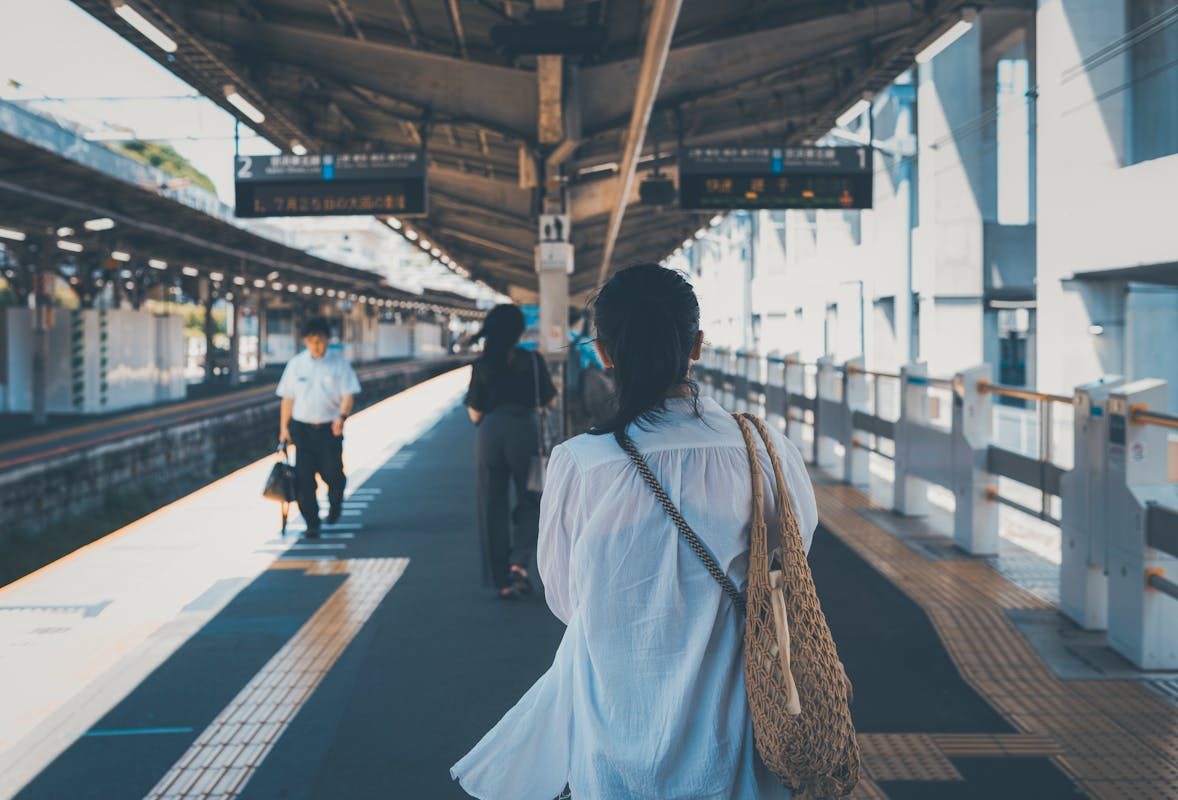
Quick map of what’s ahead: pick the wrong side of the station, tap the wrong gate, miss the ¥1,000 Shinkansen luggage rule, underestimate the underground walk to Otemachi, and walk confidently into the wrong Shinkansen platform area. Five small wins, one short read.
- Mistake #1: Picking the wrong side — Marunouchi vs Yaesu
- Mistake #2: Tapping a JR Pass at the Metro gate (same station, different companies)
- Mistake #3: The ¥1,000 Shinkansen oversized-luggage penalty
- Mistake #4: Treating Tokyo Station and Otemachi as the same stop
- Mistake #5: Walking into the wrong Shinkansen gate — blue sign vs green sign
- A few side-tips a Tokyo friend would probably add
- Putting it all together
Mistake #1: Picking the wrong side — Marunouchi vs Yaesu
Tokyo Station has a west side called Marunouchi and an east side called Yaesu, and they are completely separated by tracks. If your hotel is on the Yaesu side and you stroll out the Marunouchi central exit, you have to cross the entire station back through the North or South Free Passage. Many travelers report this adding 10 to 20 extra minutes — and dragging a suitcase across that passageway in either direction is not fun.
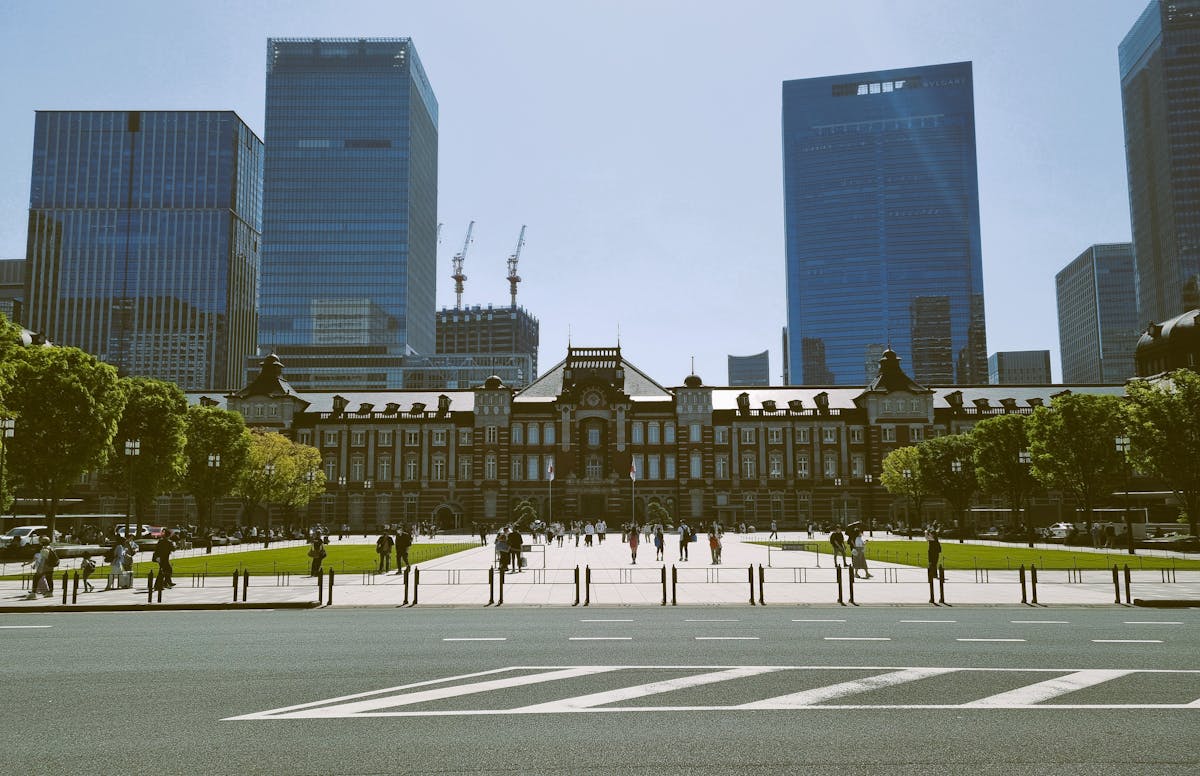
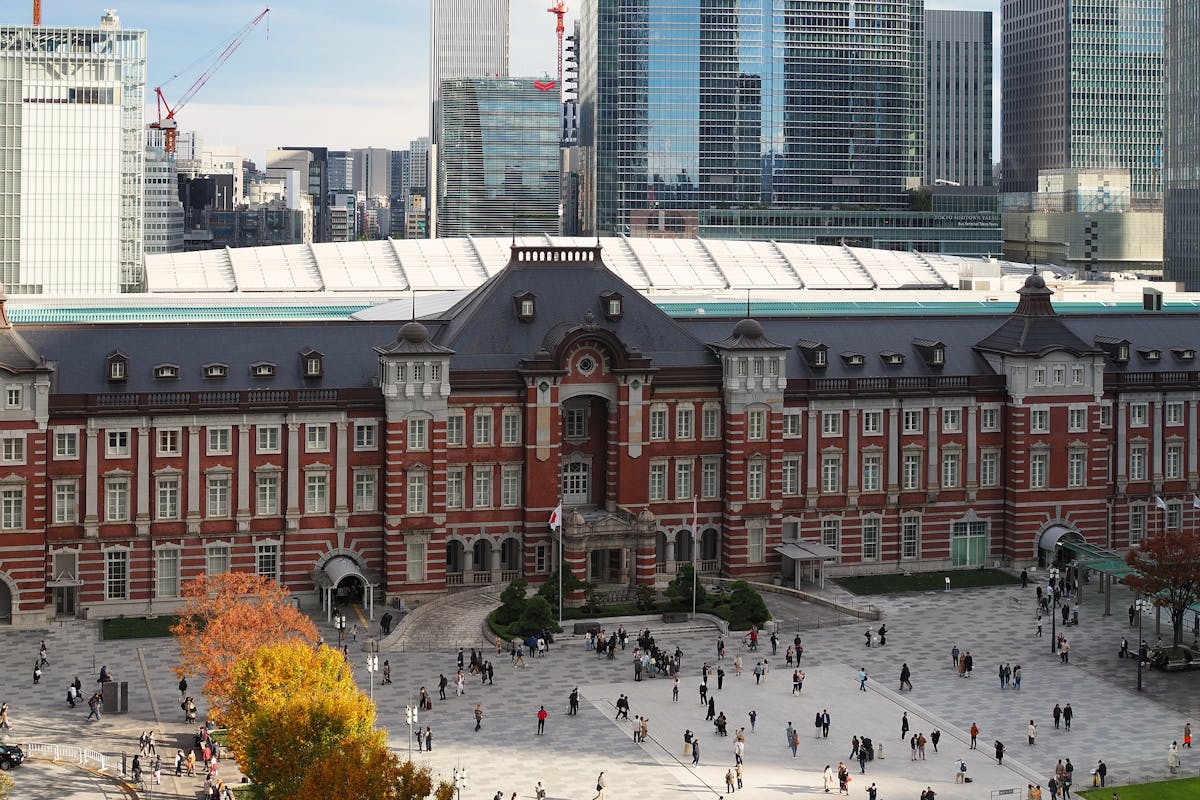
A rough mental model that seems to hold up: Marunouchi is the historic west side — the photogenic red brick station building, the Imperial Palace, the Marunouchi business district, KITTE, and the Tokyo Metro Marunouchi line. The JR East Travel Service Center where many first-timers exchange a JR Pass voucher is also here, on the Marunouchi side.
Yaesu is the east side — closer to the Shinkansen gates, home to the Yaesu bus terminal (long-distance and airport limousine), the modern Tokyo Midtown Yaesu and Daimaru, and most of the GranSta food halls. If you have a bus, a Shinkansen ride, or a glass-tower hotel, your odds are usually on this side.
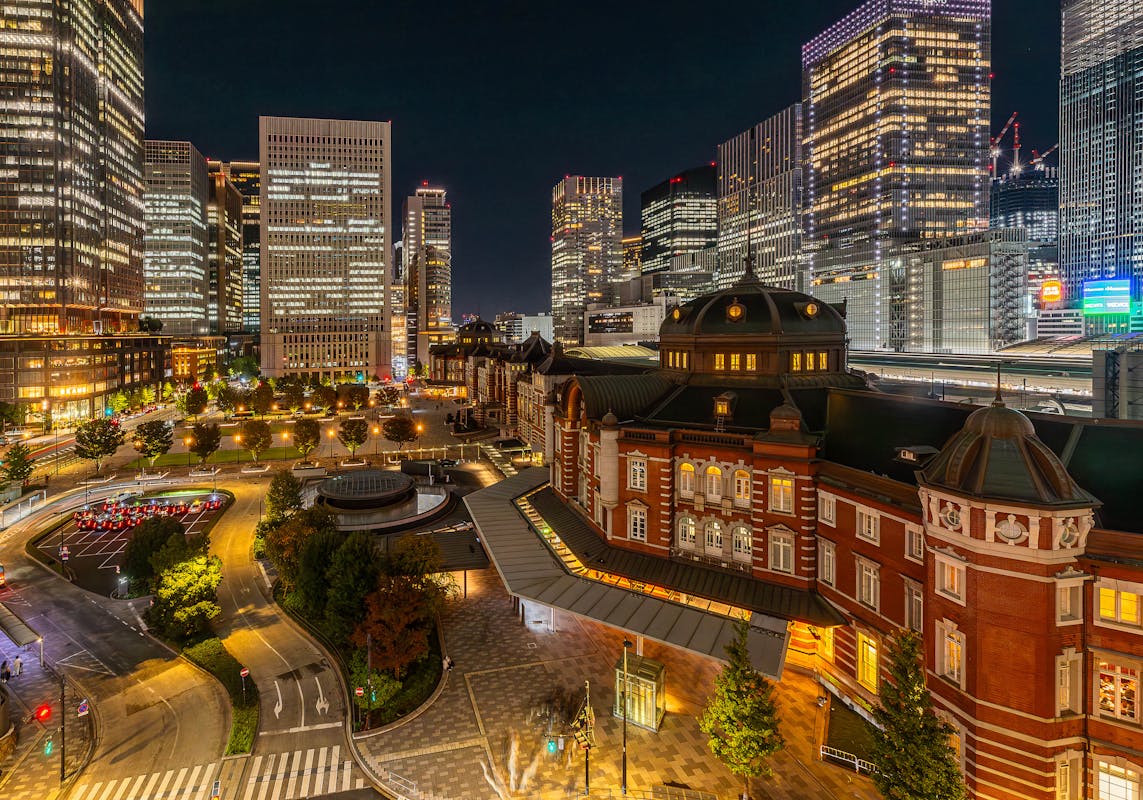
Friend tip: before you even stand up on the train, look at your hotel address or destination and ask yourself one question — am I heading toward the Imperial Palace and the old brick buildings, or toward a bus, a Shinkansen, or a brand-new tower? That single check tends to save the cross-station walk. The colored ceiling signs inside the station consistently mark “Marunouchi” in one direction and “Yaesu” in the other in English, Chinese and Korean, so once you’re moving you can confirm without an app.
Mistake #2: Tapping a JR Pass at the Metro gate (same station, different companies)
Inside Tokyo Station, the JR gates and the Tokyo Metro Marunouchi line gates sit only a short walk apart, and the signage is similar enough that most first-time visitors don’t realize they belong to two different companies. JR (operated by JR East and JR Central) and Tokyo Metro are entirely separate businesses, so a JR Pass does not work on Metro and a Tokyo Metro 24-hour pass does not work on JR. Walking up to a Marunouchi line gate with a JR Pass tends to produce a red light and a small line behind you.
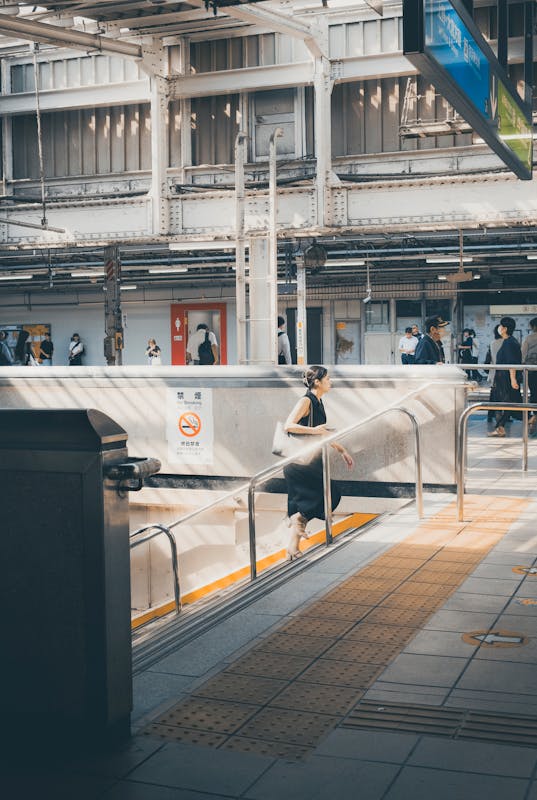
Three rail operators serve Tokyo: JR (East and Central), Tokyo Metro, and Toei Subway. The Marunouchi line below Tokyo Station belongs to Tokyo Metro, while everything labeled “JR” (Yamanote, Chuo, Sobu, and the Shinkansen lines) belongs to JR. They share a building but not a fare system.
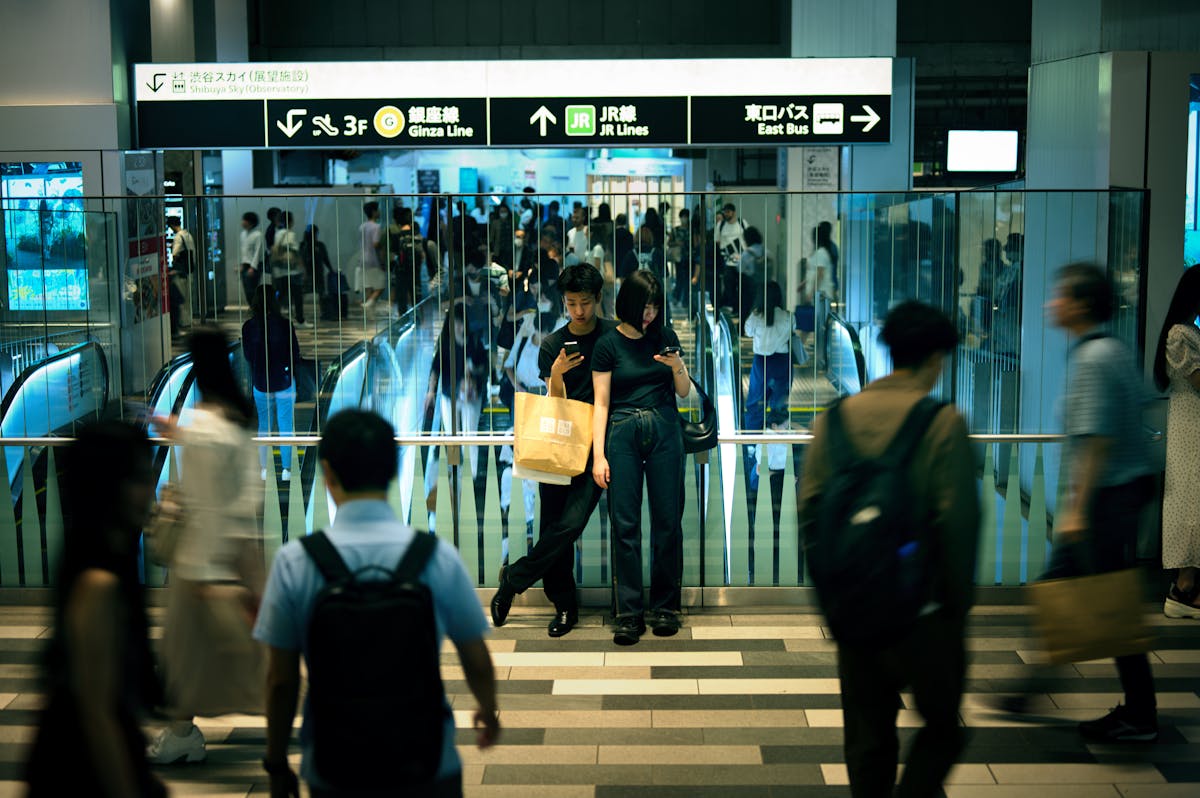
Friend tip: a single Suica or Pasmo IC card covers all three operators — JR, Tokyo Metro, and Toei — plus most buses and a lot of vending machines and convenience stores. Many travelers carry both a JR Pass (for JR trains, especially the Shinkansen) and an IC card (for everything else inside the city). Once you have the IC card, you stop thinking about which company runs which line, which is most of this mistake gone.
Mistake #3: The ¥1,000 Shinkansen oversized-luggage penalty
On the Tokaido, Sanyo and Kyushu Shinkansen — the lines most foreign visitors actually use to reach Kyoto, Osaka, Hiroshima or Hakata — a bag whose three sides (height + width + depth) add up to between 161 cm and 250 cm requires a free advance reservation for a special oversized-luggage seat. The reservation itself is ¥0. Boarding without it, however, gets you a ¥1,000 fee on the train. Bags larger than 250 cm in total or longer than 2 metres can’t be brought on board at all.
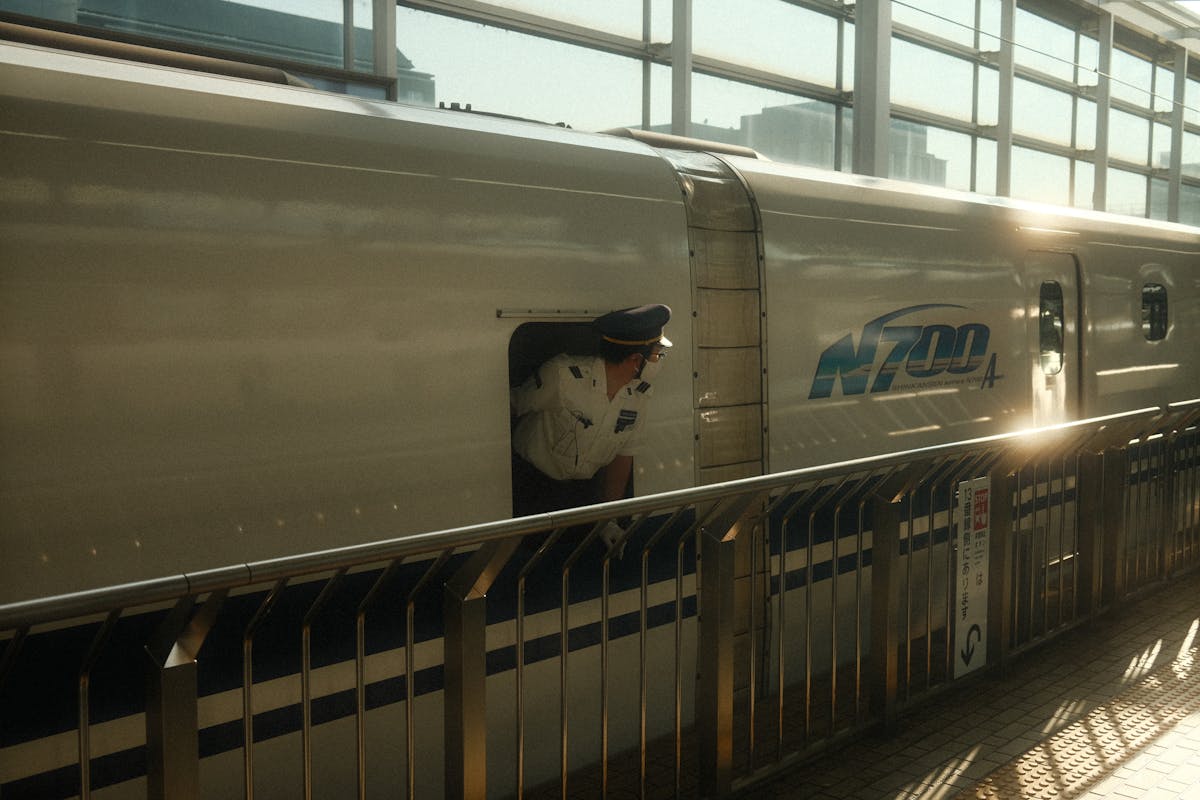
Many travelers report being asked by the conductor on board “did you reserve the oversized luggage seat” — and being charged ¥1,000 when the answer is no. The frustrating part is that the rule is well documented on the JR West English luggage page and on JR Central’s site, but most English Shinkansen tutorials skim past it. A standard 75 cm check-in case is borderline (75 + 50 + 35 = 160 cm), so it’s the second suitcase, the soft-sided 70-litre, or the family-trip 90 cm that pushes you into the zone.
If your bag is borderline, two friend-level alternatives come up again and again. The first is to ship the bag ahead via Yamato (Kuroneko) or Sagawa same-day delivery from the counters inside Tokyo Station — usually around ¥1,000–¥2,500 within Tokyo, and your suitcase meets you at the hotel. The second is to book the oversized-luggage seat in advance through the JR Pass site, smartEX, or at any green window. It costs nothing, and it removes the question entirely.
Mistake #4: Treating Tokyo Station and Otemachi as the same stop
Tokyo Station and Otemachi Station look almost connected on a map, and Google Maps occasionally suggests a 5-minute walk between them. In practice, the underground passage runs roughly 600 metres gate-to-gate and takes 7 to 15 minutes depending on which exit and which Metro line you target. There are stairs in places, which is not a great surprise if you’re rolling a 23 kg suitcase.
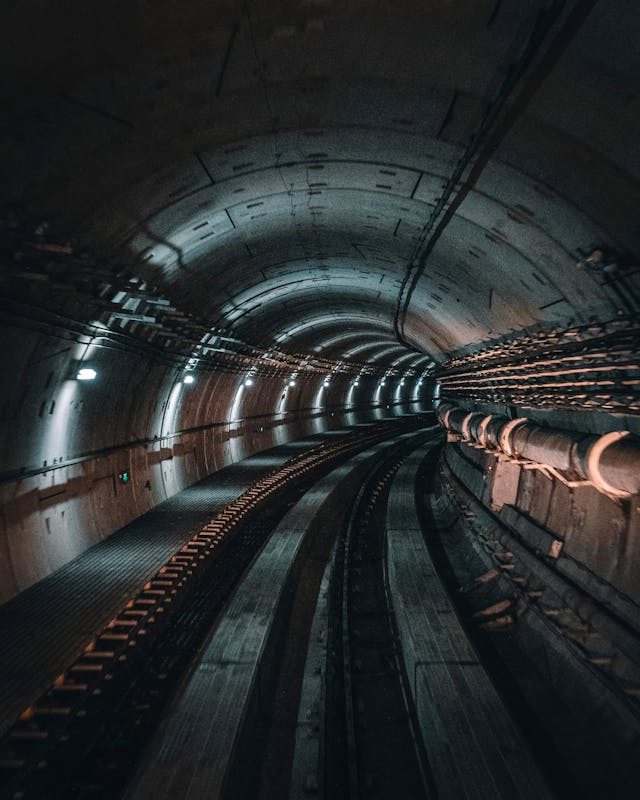
Otemachi itself is a transfer monster: five Metro and Toei lines (Marunouchi, Tozai, Chiyoda, Hanzomon and Toei Mita) all meet there. So a hotel listed as “near Otemachi” might actually be closer to the Tokyo Station Marunouchi exit than to several of Otemachi’s own exits, or vice versa.
Friend tip: if you’re checking into a hotel labelled “Otemachi”, open Google Maps and look at the exact distance to both Tokyo Station Marunouchi exit and the relevant Otemachi exit before you decide which one to walk from. Inside the station, the colored Otemachi signs (red for Marunouchi line, light blue for Tozai, green for Chiyoda) tend to be faster than reopening Maps every two minutes — GPS struggles below ground anyway.
Mistake #5: Walking into the wrong Shinkansen gate — blue sign vs green sign
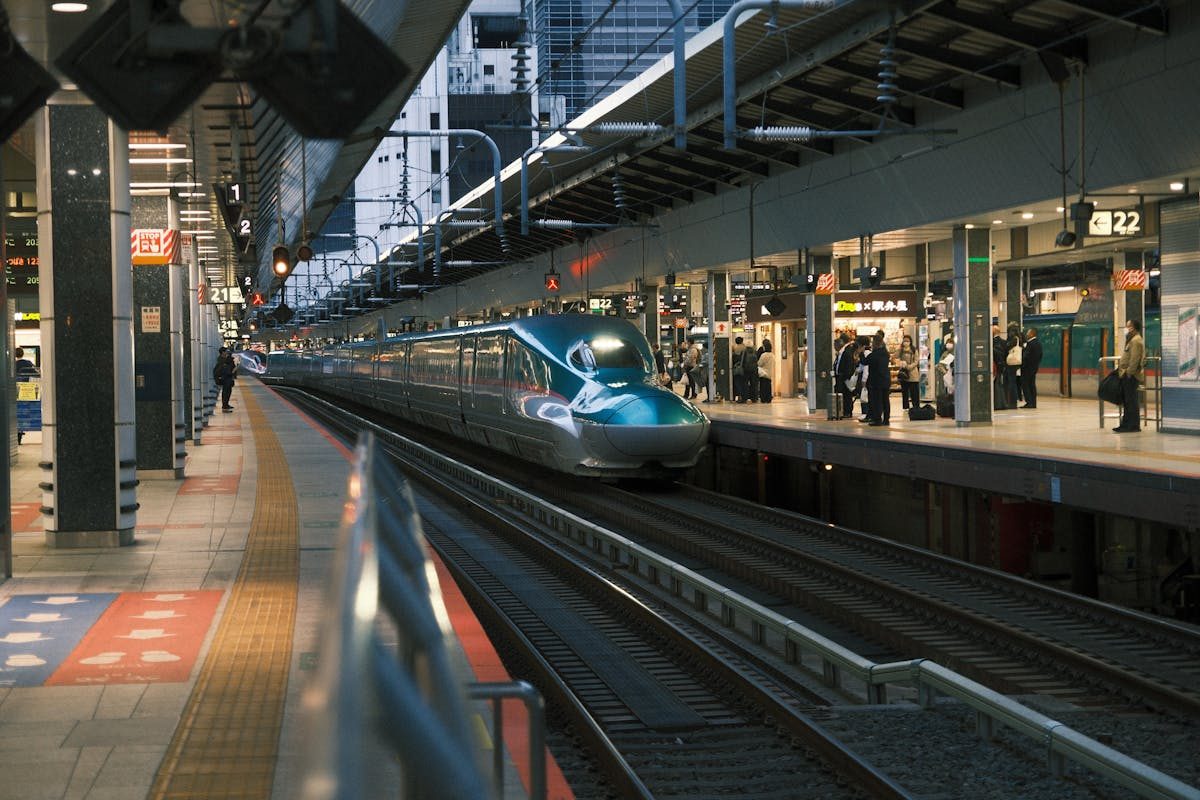
This last one is the easiest to fix once someone tells you the shortcut. JR Central’s Shinkansen (tracks 14–19, signed in blue) covers the Tokaido, Sanyo and Kyushu lines — westbound and southbound toward Kyoto, Osaka, Nagoya, Hiroshima and Hakata. JR East’s Shinkansen (tracks 20–23, signed in green) covers Tohoku, Hokuriku, Joetsu, Yamagata and Akita — northbound and eastbound toward Sendai, Kanazawa and Niigata. The two areas are completely separated by gates; once you enter one, you cannot just stroll across to the other.
Many travelers report striding confidently up to a Shinkansen gate, only to be told “sorry, this gate is for the other direction” and having to walk back through the main concourse to the correct entrance. With suitcases and connecting tickets, that’s a stressful five minutes nobody plans for.
Friend tip: ignore the track numbers for a moment and just memorise the colors. Blue = west and south (Kyoto, Osaka, Nagoya, Hakata). Green = north and east (Sendai, Kanazawa, Niigata). If you can remember those two pairs, you save the track-number lookup for the platform itself.
A few side-tips a Tokyo friend would probably add
None of these is its own mistake, but each one comes up so often in traveler forums and Japanese commuter blogs that a Tokyo friend would mention them in the same conversation.
- Large coin lockers fill up fast. The big (¥700–¥900) lockers near the Shinkansen gates tend to be full by mid-morning. If yours is full, the station counters do same-day Yamato delivery to your hotel for around ¥1,000–¥2,500 — many travelers find this less stressful than chasing free lockers across four floors.
- Avoid rolling a suitcase through the 8–9 AM rush. Tokyo’s commute peaks roughly 7:30–9:30 in the morning and 17:30–20:00 in the evening. If you’re moving with luggage, anything before 7 or after 9:30 is noticeably gentler.
- Trust the four-language signs over Google Maps indoors. Inside the station, signage is Japanese / English / Chinese / Korean as standard, and tends to be faster than re-opening Maps every two minutes — GPS struggles underground anyway.
- The JR East Travel Service Center is on the Marunouchi side — open 8:30–19:00, year-round. If you need to activate a JR Pass voucher in Tokyo, mornings tend to be the busiest hour. If your hotel is on the Yaesu side, the JAPAN RAIL CAFÉ TOKYO counter (Yaesu Central Exit, GRAN TOKYO NORTH TOWER 1F) also handles pass pickups.
- GranSta and station shops close earlier than you’d expect. If you’re catching a late Shinkansen and planning to grab an ekiben, many shops inside GranSta seem to start closing around 21:00, and the popular bento can sell out earlier. Grabbing one before 20:00 is the safer move.
Most travelers using Tokyo Station are pivoting straight into a day plan once they emerge from the gates. The friend question becomes what do I actually do once I’m out?
Putting it all together
None of these five mistakes is the kind of thing that ruins a trip — but each one quietly steals 10 to 20 minutes and a small amount of stress on day one, when you have the least of both. Picking the right side of the station, carrying an IC card alongside a JR Pass, reserving an oversized-luggage seat in advance, planning a real 10-minute window for the Otemachi walk, and remembering blue versus green at the Shinkansen gates is, between them, easily 30 to 60 minutes back over the first 48 hours in Tokyo.
If you found this useful, the other articles in the Tokyo Station Survival series go deeper into individual corners of the station — gates, food, late trains, hidden exits — and the wider Japan guides below cover the trip-planning context.
Related reading:
- For asking and getting help in English inside the station, see the Tokyo Station foreigners’ guide.
- If this is your first trip overall, the first time in Japan beginner’s guide covers the broader basics.
- For Shinkansen mechanics (seats, ticket reading, etiquette) before you board, check the Shinkansen guide for 2026.
- For other common slip-ups outside the station, see the Japan tourist mistakes to avoid round-up.
Still have questions about your Japan trip?
Ask Japan Travel Concierge AI — instant answers on transportation, food, customs, and what to do when something goes wrong.
Comments