🎫 Book Activities
🛡️ Travel Essentials
Updated April 2026 — a blunt, first-timer-focused look at one of Tokyo’s most common budget business hotel chains.
Quick Verdict: Is APA Hotel Shinjuku Worth It in 2026?
Yes — if you want a cheap, clean, well-located place to sleep, and you do not mind a very small room. APA Hotel is a Japanese budget business-hotel chain with multiple locations inside Shinjuku, typically priced between ¥8,000 and ¥15,000 per night (about $50–$95). Rooms are tiny by Western standards, bathrooms are prefab “unit baths,” and most properties run 24-hour self check-in. That is the trade-off: price and location over space and atmosphere.
Ideal for: solo travelers and couples on a budget, short stays (1–4 nights), travelers who plan to be out all day and only need a place to sleep, and anyone prioritizing proximity to Shinjuku Station.
Avoid if: you need floor space to unpack, travel with more than two people, are sensitive to nightlife noise in Kabukicho-area properties, or expect resort-style amenities.
Check availability and prices for APA Hotel Shinjuku on Booking.com →
Location & Neighborhood (Shinjuku)
Shinjuku is, by most measures, the most practical base for a first-time visitor to Tokyo. It is the world’s busiest train station, a 24-hour food and shopping district, and a launching pad for the Shinkansen via quick JR transfers. APA runs several properties inside Shinjuku Ward, and the exact location matters more than the brand name.
Walking time to Shinjuku Station
Most APA hotels in the Shinjuku area sit between a 3- and 10-minute walk from Shinjuku Station or the smaller Shinjuku-Nishiguchi / Seibu-Shinjuku stations. Kabukicho-area properties (such as APA Hotel Shinjuku Kabukicho Tower) are about 5–8 minutes on foot from the East Exit. Nishi-Shinjuku properties are closer to the West Exit skyscraper cluster. For daily sightseeing, any Shinjuku APA lets you drop luggage quickly between outings.
Access to major train and subway lines
From Shinjuku Station, you can reach almost anywhere a first-time visitor cares about without changing trains: the JR Yamanote Line loops to Shibuya, Harajuku, Tokyo, Akihabara, and Ueno; the Chuo Line goes to Kichijoji and Mitaka (Ghibli Museum); the Odakyu Line runs direct to Hakone; and the Narita Express reaches the airport in about 80 minutes. The Marunouchi Subway also runs through Shinjuku Station.
The area: nightlife, restaurants, konbini, safety, noise
Shinjuku is dense with izakaya, ramen shops, convenience stores, and chain restaurants. Every street has a 7-Eleven, Lawson, or FamilyMart within two minutes. Safety is very good by any global measure — Shinjuku is busy and well-policed even at 2 a.m. — but Kabukicho, the entertainment district just north of the station, is loud. Touts will approach you; polite decline works. If your APA is in Kabukicho, expect street noise well past midnight on weekends.
Why Shinjuku works for first-timers (with caveats)
For a first trip, Shinjuku removes most guesswork: food is everywhere, trains go everywhere, and you can get lost without getting stranded. The caveat is density. Shinjuku Station has over 200 exits. Leaving from the wrong exit can add 15 minutes and a flight of stairs to your day. Use Google Maps’ exit number rather than a “closest station” pin, and screenshot the station diagram the first time you try it.
Rooms & What You Actually Get
This is where the honest review part matters. APA’s value comes from its prices and consistency; the rooms themselves are small and utilitarian.
Room size vs Western standards
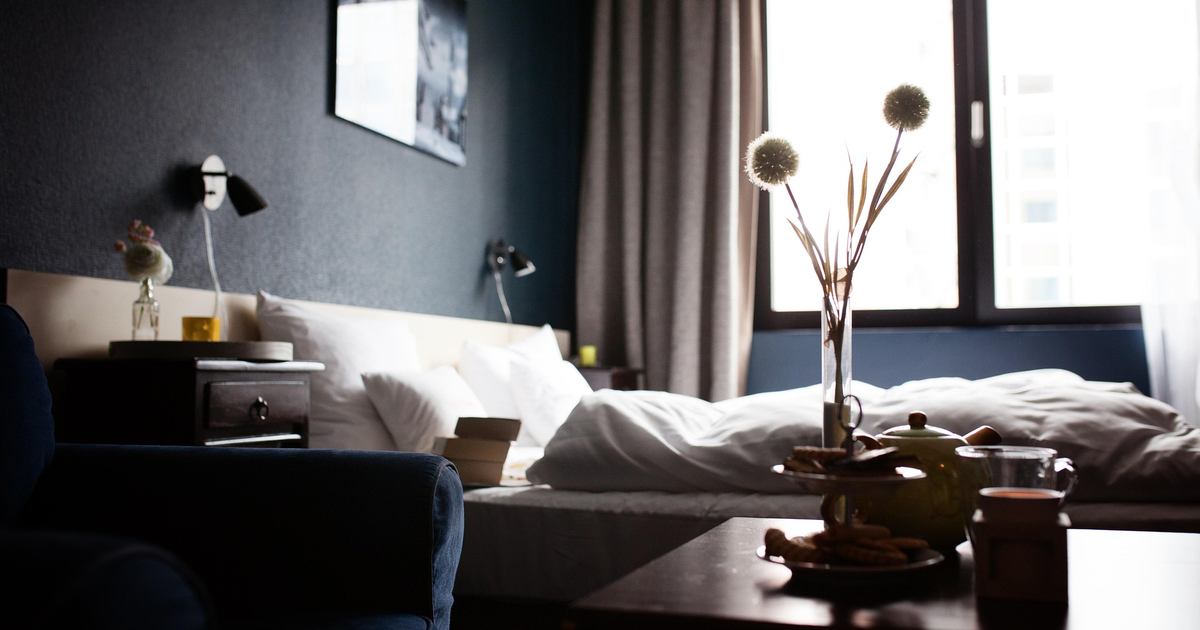
A single room at APA typically measures 10–13 square meters (108–140 sq ft) — roughly the size of a large walk-in closet. A double or twin adds a few square meters but is still noticeably tighter than a comparable chain hotel room in Europe or North America. If you plan to open two large suitcases at once, you will not be able to walk between them.
Bed, bathroom, amenities
Beds are firm by Japanese standard and surprisingly comfortable for short stays. The bathroom is a prefabricated “unit bath” (ユニットバス) — a single molded plastic module containing toilet, sink, tub, and shower. Expect a small but very deep bathtub, a handheld shower, and a heated washlet toilet. Every room has free Wi-Fi, a flat-screen TV with limited English channels, a desk, a kettle, green tea and packets of instant coffee, pajamas or a yukata, and basic toiletries.
Cleanliness and practicality
APA’s housekeeping is reliable. Rooms are cleaned daily unless you opt out, towels are replaced, and nothing feels grimy. The chain trains staff on speed and standardization; small flaws exist (thin walls, occasional air-con quirks) but hygiene is not the problem.
Managing expectations
The simple mental model: APA is a place to sleep, shower, charge your phone, and leave. It is not a place to spend the afternoon. If your itinerary is Tokyo-intensive (8 a.m. to 10 p.m. out), the room size barely matters. If you are planning a rainy day catching up on Netflix, book something larger.
Price Range in 2026
APA’s 2026 rates in Shinjuku broadly fall into four bands:
- Weekday off-peak (Jan–Feb, Jun, early Sep): ¥8,000–¥10,000 per night ($50–$63).
- Weekday shoulder (most of the year): ¥10,000–¥13,000 per night ($63–$82).
- Weekend + peak (cherry blossom late Mar–early Apr, Golden Week late Apr–early May, Nov foliage, Christmas/New Year): ¥13,000–¥18,000 per night ($82–$113).
- Major-event surges (Comiket, major concerts, F1-era weekends): Occasionally ¥20,000+ ($125+).
Breakfast buffet, when offered, is usually ¥1,500–¥2,000 extra — often cheaper to eat at a konbini or the 500+ ramen shops within walking distance.
For most first-timers, the honest target is a weekday shoulder rate around ¥11,000 per night. Prices drift upward each year, so a 2026 booking made in 2026 will cost a little more than a 2025 equivalent.
Check availability and prices for APA Hotel Shinjuku on Booking.com →
Pros & Cons for First-Time Tourists
Worth being direct: both columns below are real, not marketing copy.
Pros
- Cheap for central Tokyo (¥8,000–¥13,000 covers most nights).
- Short walk to Shinjuku Station and a dozen train lines.
- Clean, standardized, predictable — you know what you are getting.
- Self check-in machines work in English and accept most credit cards.
- Free Wi-Fi is fast enough for streaming or calls home.
- Many branches include a large top-floor communal bath for guests (a small luxury at this price point).
Cons
- Rooms are genuinely small; two large suitcases are a problem.
- Unit-bath bathrooms can feel cramped for tall travelers.
- Thin walls — you will sometimes hear neighbors.
- Kabukicho-area branches are noisy on weekend nights.
- Minimal lobby and no real lounge space; not a place to work from.
- Limited English conversation at the front desk (though all signage and machines are in English).
Best Way to Book: Booking.com vs Agoda
APA runs its own direct site, but most first-time visitors save time (and occasionally money) by comparing Booking.com and Agoda side by side. In 2026, both platforms list the full range of APA Shinjuku properties, with cancellation policies that are usually better than APA direct.
Why travelers use Booking.com
Booking.com is the default for English-speaking first-time visitors. You can filter by “free cancellation” (lock in a rate now, cancel without penalty up to 24–72 hours before check-in), compare exact walking distances from Shinjuku Station, and read hundreds of English reviews per property. Payment is usually made at the hotel, which is convenient if you are watching the exchange rate.
Check availability and prices for APA Hotel Shinjuku on Booking.com →
When Agoda is cheaper
Agoda is part of Booking Holdings but leans more heavily on the Asia-Pacific market. For Japanese hotels, it sometimes shows lower rates on non-refundable plans, especially off-peak weekdays. The user interface is less polished than Booking.com, but a 2–5 minute price comparison before booking is worth it — APA’s pricing on Agoda can be ¥500–¥1,500 lower per night on specific dates.
Compare current Tokyo deals on Booking.com →
Alternatives Near Shinjuku Station
If APA’s size or noise trade-offs do not work for you, Shinjuku has several well-regarded mid-range options at comparable or slightly higher prices.
Hotel Gracery Shinjuku
Famous for the Godzilla head on top of the building, Gracery sits in central Kabukicho with larger rooms than APA (about 18–22 sqm) and a slightly higher price point (around ¥15,000–¥22,000 per night). Popular with couples and fans of the Toho Cinemas theme. Expect more English at the front desk.
Check availability and prices for Hotel Gracery Shinjuku on Booking.com →
Shinjuku Washington Hotel
Large, reliable, mid-1990s-era tower in Nishi-Shinjuku. Rooms are a step larger than APA and the location is just a few minutes from the skyscraper district. Good for travelers who want quieter nights away from Kabukicho.
Check availability and prices for Shinjuku Washington Hotel on Booking.com →
Keio Plaza Hotel Tokyo
A full 4-star business hotel with a swimming pool, multiple restaurants, and rooms starting around ¥25,000 per night. Overkill for many first-timers, but a strong option for honeymooners or business travelers who want the Shinjuku location with hotel-standard comforts.
Check availability and prices for Keio Plaza Hotel Tokyo on Booking.com →
For a full Shinjuku hotel guide organized by traveler type and budget, see our upcoming hub guide (publishing this week): Best Hotels in Shinjuku Tokyo for First-Time Visitors 2026.
Frequently Asked Questions
Is APA Hotel Shinjuku good for first-time visitors?
Yes, for most first-timers. The rooms are small but the location — a short walk from Shinjuku Station and a dozen train lines — more than compensates if you plan to be out sightseeing during the day. Avoid it if you need room to spread out, are traveling with children, or are sensitive to Kabukicho street noise.
How small are APA rooms really?
Single rooms are typically 10 to 13 square meters (108 to 140 sq ft), smaller than a standard US or European hotel room. Doubles and twins add a few square meters. If you pack a single carry-on you will barely notice; if you pack a large 28-inch suitcase you will not be able to open it fully next to the bed.
Is Shinjuku noisy at night?
Kabukicho is genuinely noisy past midnight, especially on Friday and Saturday. Western Shinjuku (Nishi-Shinjuku) is much quieter. If you are a light sleeper, filter Booking.com results for hotels in Nishi-Shinjuku rather than the Kabukicho cluster, or bring earplugs — hotels in Japan do not always provide them.
Should I book APA direct or through Booking.com?
Booking.com is almost always the better choice for first-time visitors. The UI is in English, cancellation policies are more flexible, and prices match APA direct on most dates. Agoda occasionally beats both on non-refundable rates. Unless you are a Japanese-speaking APA loyalty member, the direct site offers no meaningful advantage for short stays.
What’s the cheapest time of year to stay at APA Shinjuku?
Mid-January through early February (after New Year) and early June (before rainy season peaks) are consistently the cheapest periods. Expect rates in the 8,000 to 10,000 yen range. Avoid late March to early April (cherry blossom), Golden Week (late April to early May), and mid-November (autumn foliage) if price is your priority.
Final Verdict
APA Hotel Shinjuku is the right answer when your priorities are price, location, and consistency, and you are willing to trade square meters for those three things. For a first-time visitor on a week-long Tokyo-focused itinerary, it delivers a clean bed a few minutes from the busiest station in the world for under $70 a night. It is not a trip highlight, but it will not be a trip problem either.
If your priorities are different — honeymoon atmosphere, family space, remote work from the room — pick a different property. The most common mistake first-timers make is booking APA expecting a “hotel experience”; it is closer to a very clean, very small city crash pad.
Ready to book APA Hotel Shinjuku?
Prices and availability change daily, especially within 4 weeks of check-in. Check today’s rates:
Stay in Shinjuku, Explore All of Tokyo
Shinjuku's transit access makes it one of the easiest Tokyo bases for day tours. Klook and GetYourGuide both offer Tokyo tours with Shinjuku pickup, plus day trips to Mt. Fuji, Nikko, and Hakone — all discounted from retail.
Most tours pick up within 5 minutes of Shinjuku Station.

コメント